Everyday Health: Simple Habits for Smarter Choices
Start With Reliable Information
Good health is less about heroic transformations than about dependable choices repeated on ordinary days. Sleep, food, movement, stress, relationships, and preventive care all shape how people feel and function. An evidence-led approach helps separate useful habits from shiny promises, while leaving room for culture, budget, preference, and the occasional celebratory biscuit.
Advertisement
Use Evidence Without Losing Common Sense
The Evidence Based Everyday Health Guide begins with a simple principle: strong recommendations usually rest on several kinds of information, not one exciting study or dramatic testimonial. Researchers compare results across groups, examine possible drawbacks, and repeat investigations over time. This process does not produce perfect certainty, but it can reveal which habits are consistently helpful and which claims are mostly marketing wearing a lab coat. Look for guidance from reputable public-health organizations, universities, and professional bodies. Be cautious when a product promises instant results, uses impressive-sounding jargon without clear measurements, or presents a personal story as universal proof. Good information usually acknowledges limits, explains who was studied, and avoids insisting that one solution works for everyone.
Advertisement
Build Meals Around Practical Balance
The Evidence Based Everyday Health Guide treats eating well as a pattern rather than a purity contest. A varied diet can include vegetables, fruits, beans, whole grains, nuts, seeds, and suitable sources of protein, alongside foods chosen for pleasure. The goal is not to make every plate mathematically perfect; it is to make nourishing choices easier most of the time. Fiber-rich foods can support digestion and help meals feel satisfying, while limiting excessive added sugar, sodium, and highly processed foods may benefit overall well-being. Portion needs vary with age, activity, culture, and health circumstances. Planning a few reliable meals, keeping useful ingredients available, and eating without constant distraction can be more sustainable than following a fashionable list of forbidden foods.
Advertisement
Treat Movement as Daily Maintenance
In the Evidence Based Everyday Health Guide, physical activity is not presented as punishment for eating or as a membership fee for being healthy. Walking, cycling, dancing, gardening, stretching, swimming, and strength exercises can all contribute to fitness. Regular movement supports muscles, bones, balance, cardiovascular function, and mood, although the best routine depends on a person’s abilities and circumstances. Start with manageable amounts and increase gradually when appropriate. Short sessions count, particularly for people with busy schedules or limited mobility. Breaking up long periods of sitting can also be useful. The most effective activity is often the kind that fits real life well enough to happen repeatedly, rather than the theoretically perfect workout abandoned after one heroic Tuesday.
Advertisement
Protect Sleep and Recovery
The Evidence Based Everyday Health Guide gives sleep the same respect as nutrition and movement because recovery is not a decorative extra. Consistent sleep supports attention, emotional regulation, learning, and physical repair. Helpful routines may include keeping fairly regular sleep and wake times, creating a darker and quieter bedroom, limiting stimulating activities before bed, and considering how caffeine or alcohol affects rest. Individual needs differ, and occasional poor sleep is part of being human; no one becomes a health failure because a neighbor discovers power tools at dawn. Persistent or severe sleep problems deserve attention from a qualified healthcare professional, especially when they interfere with daily functioning or occur alongside other concerning symptoms.
Advertisement
Manage Stress With Several Tools
The Evidence Based Everyday Health Guide recognizes that stress cannot always be eliminated by breathing deeply and purchasing a scented candle, though both may have their place. Useful strategies can include regular movement, realistic planning, relaxation exercises, time outdoors, creative activities, supportive relationships, and clear boundaries around work or digital interruptions. The aim is not to feel calm every minute, but to improve recovery after pressure and notice when demands exceed available resources. Social connection is particularly important: talking with trusted people can provide perspective and practical help. If distress feels overwhelming, lasts a long time, or affects safety and daily life, reaching out to an appropriately qualified professional is a sensible step rather than a personal defeat.
Advertisement
Make Prevention Routine
The Evidence Based Everyday Health Guide includes preventive care because waiting for a problem to become dramatic is a poor scheduling system. Routine appointments, recommended screenings, vaccinations, dental care, and awareness of personal risk factors can help identify concerns earlier or reduce avoidable harm. The right schedule varies by age, family history, location, existing conditions, and current guidance, so generic internet checklists should not replace individualized professional recommendations. It is useful to keep a record of relevant health information, medications, allergies, and questions before an appointment. Prevention also includes everyday safety: wearing appropriate protective equipment, practicing safer food handling, and paying attention to environmental risks. Small preparations can quietly accomplish a great deal.
Advertisement
Design Habits That Survive Real Life
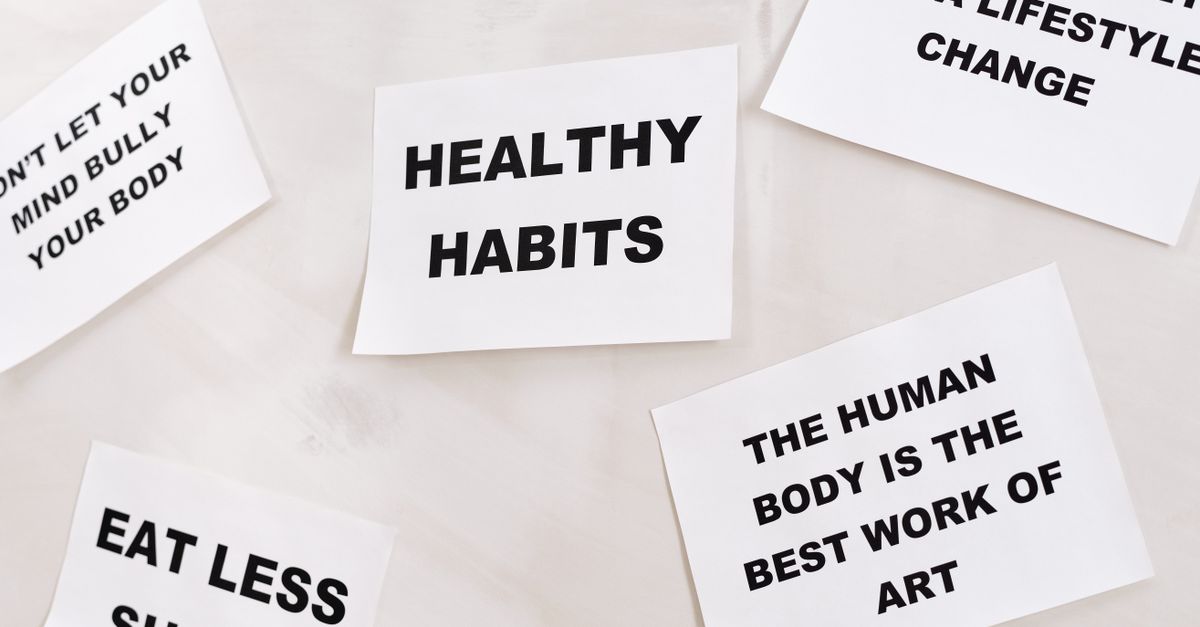
The Evidence Based Everyday Health Guide works best when habits are designed around behavior rather than wishful thinking. A clear cue, a manageable action, and a satisfying result can make repetition easier. For example, placing walking shoes near the door may support a brief walk, while preparing vegetables in advance can reduce last-minute dependence on convenience foods. Track progress lightly, focusing on patterns instead of demanding perfection. Expect interruptions such as travel, illness, deadlines, and family responsibilities, then create fallback options. A five-minute stretch, a simple meal, or an earlier bedtime may preserve momentum when the full routine is unavailable. Sustainable change is usually quiet and cumulative, not cinematic. It grows through adjustment, patience, and a willingness to begin again without unnecessary drama.
Advertisement
Conclusion: Progress Beats Perfection
Healthy living is built from repeatable choices involving nourishment, movement, sleep, stress management, connection, and prevention. Reliable evidence can guide those choices while still allowing flexibility for individual needs and everyday realities. The strongest routine is not the most extreme one; it is the one that can be maintained, adapted, and resumed. Small actions may seem unremarkable, but their long-term effect can be anything but small.
Advertisement